
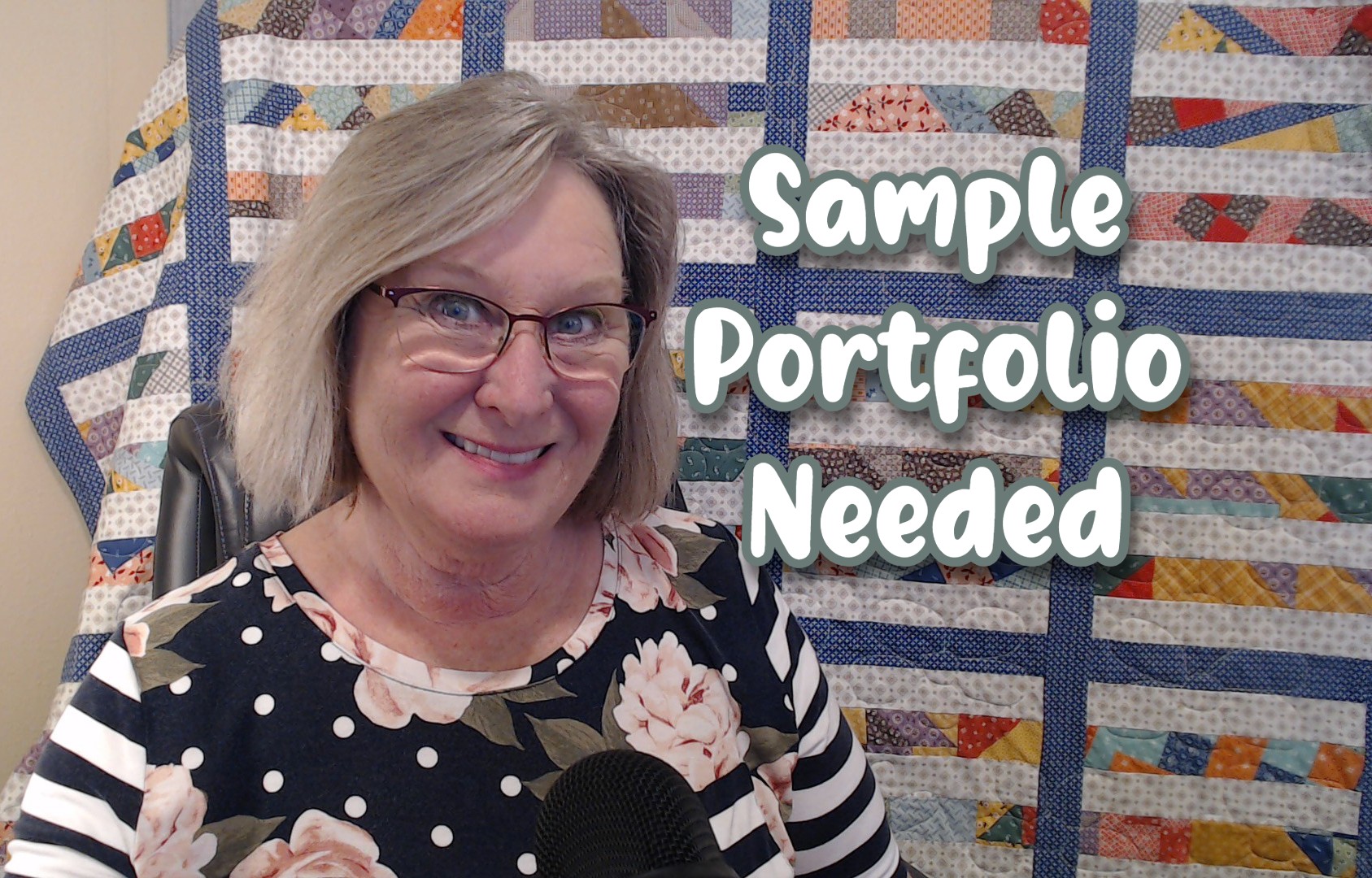
When I decided to start offering a service in retirement, I wanted to do something I enjoy and leave the horrors of working for somebody else behind me. Turning my hobby into an income hasn’t been without thought and a few pauses.
In the world of sewing and quilting, my choice of hobby turned micro-business, transparency is a cornerstone of successful client relationships. By offering tangible samples of my own work, I empower potential customers to make informed decisions. These are my friends and people I run into regularly in a very small community. I want them to be happy if they choose to use my services.
My customers need to decide if I’m the one to use for the service AND I need to decide if I want them as a customer. This isn’t a one-way street.
These samples not only showcase the quality clients, aka friends, can expect but also highlight my current limitations and strengths. Sharing the breadth of patterns and techniques I’m comfortable with gives clients a realistic view of what is possible, and helps them choose options that suit their tastes and needs.
In the early stages, this openness is especially crucial as it builds trust and credibility, both critical elements for any growing business.
1) Pricing With Purpose: Reflecting Skill and Value
Setting prices thoughtfully is among the most important of business practices. Too high of prices will send my potential customers into hiding. Charging too little will put me in a precarious position that could ruin everything I planned for my retirement.
As a beginner, my introductory rates are intentionally lower, acknowledging both my developing expertise and the longer turnaround times that may be required. My skills are simply not up to the same level as somebody with years of experience under their belt. I’m also taking my time to get it done right.
These opportunities to hone my skills through real projects is priceless to me. However, as my proficiency increases and my portfolio expands, I plan to revisit and adjust my pricing, ensuring that it remains fair and accurately reflects the value I deliver. Regular self-assessment, based on my completed project results and the feedback I receive will allow me to track my progress. How can I confidently shift from novice to intermediate pricing if I don’t know where I exist in the grand scheme?
My portfolio is not just a collection of creative works—it’s a timeline of my growth. By documenting every project, I gain insight into my evolving skill set, which enables me to communicate price increases transparently. I’ll be able to show concrete evidence of improvement, that difference between beginner, advanced beginner, intermediate, etc.
This approach guards against undervaluing my services and ensures competitive yet equitable compensation within my local quilting community. I want to charge what I’m worth without going overboard.
2) Navigating My Micro-Market
Unlike mass-market enterprises, my quilting business operates on a much smaller scale, where personal connections, word-of-mouth referrals, and direct promotion drive customer engagement. I’ll know every single customer. They won’t be just a number in the database.
Traditional pricing models, which may rely on volume and exposure, do not always apply in micro-businesses like mine. For example, the price of my service might not be too high if I don’t have many customers. It could be that potential customers don’t know I exist yet. Price drops may never generate a sale, no matter how low they go.
Instead, I’m focusing on creating genuine value by matching my rates to the quality and scope of my offerings. This will help me foster customer loyalty and reinforce my presence in the community, where reputation and reliability speak loudly.
Given that customers may require long arm quilting services infrequently, incremental price changes may go unnoticed. I will need to adjust my prices as my skills increase.
Nonetheless, I strive to communicate these price changes openly, linking them to tangible improvements in my portfolio and level of expertise. My aim is to cultivate lasting relationships built on confidence that each time I provide a service, they’ll get a good value. I want the project to be worthwhile for them and me.
3) Safeguarding and Promoting My Business
My portfolio serves dual purposes: it is both a shield and a megaphone.
First, it protects me by setting clear expectations. If a client is dissatisfied, I can reference the sample portfolio to demonstrate the promised quality and style.
Second, it acts as a powerful promotional tool. By showcasing a wide array of completed projects, I appeal to diverse client needs—from basic functional quilting for charitable donations to more intricate work for commemorative or competitive quilts.
Not all jobs require expert-level precision, and my portfolio helps clients understand which options best fit their requirements and budget. It also helps me understand my client’s goals.
Moreover, displaying my progression from simple patterns to more advanced designs illustrates my commitment to craftsmanship and encourages referrals. The clear documentation in my portfolio will further enhance my credibility in the eyes of both new and returning customers.
4) Identifying and Addressing Skill Gaps
One of the main benefits of maintaining a portfolio is the ability to pinpoint gaps in my skills and knowledge. By regularly reviewing the range of patterns and techniques showcased, I’ll be able to identify areas where further learning is needed. I could practice new quilting styles and techniques, invest in specialized tools, or attend workshops. There will always be new patterns to learn and new tech to incorporate into my portfolio.
This honest self-evaluation can help me ensure that my service offerings remain fresh and competitive. As I grow, my portfolio could become not just a reflection of what I have accomplished, but a roadmap for future growth and professional development.
Learning opportunities come from all directions. When I know what is missing or lagging behind, then I know which choices should be prioritized. In the past, I can admit that I’ve found myself with tunnel vision. This portfolio will help me manage that tunnel vision.
5) Organization and Accessibility
I plan to organize my work into two distinct portfolios: a public-facing collection for clients and a private notebook for personal notes and assessments.
The public portfolio, which I plan to showcase online through my blog provides potential customers with easy access to my work, helping them make confident decisions.
My existing customers and people who learn about my hobby turned service offer will able to share my portfolio and contact methods with their friends easier. I’ll add newly completed projects to my portfolio as quickly as possible.
Meanwhile, my private notebook serves as a resource for tracking challenges, new techniques, and internal goals. This dual system ensures I have a comprehensive view of my abilities, prevents me from overlooking forgotten skills, and enables me to recommend the widest possible range of services during client consultations.
Since my goal is to become an advanced custom free-motion longarm quilter, I can’t sit back and wait until somebody asks for a design to learn it. The goal is to learn and surprise my customers with more than they dreamed possible.
This portfolio approach also supports word-of-mouth marketing and referrals, which are vital for micro-businesses like mine. By making my work visible and accessible, I encourage community engagement and foster long-term relationships.
Great long-term relationships are key to enjoying my hobby turned retirement lifestyle and financial supplement.
The Path Going Forward
Developing my quilting micro-business in retirement is a journey defined by authenticity, continuous learning, and pricing my services for the community I serve.
My business model is not new or innovative, but it is effective. As a hobbyist turning my old and newfound skills into a source of income, I have to admit that there isn’t enough of me to go around. Using a tried and true business model removes some of the pressure.
I’d rather spend my time improving my skills and offering a better quality service than reinventing the wheel on business models. My portfolio is going to be the centerpiece of my marketing strategy, guiding both my development and the satisfaction of my clients.
Showcasing my work through an online portfolio is sustainable and will be rewarding. With careful planning and a commitment to excellence, I am laying the foundation for enduring success in my community.