Introduction
Sharing my real-life experience as I attempt to turn a long-held hobby into a source of income during my retirement might be the best thing for my goal. This isn’t a channel about guaranteed business success or a step-by-step “how-to” guide that promises riches—because, frankly, I haven’t gotten there yet.
Instead, it’s an honest analysis of my ongoing efforts, the challenges, the investments, the doubts, and hopefully, the victories that come with trying to make a hobby pay for itself (or even turn a profit) in retirement.
Why Turn a Hobby Into Income?
Many retirees, myself included, are looking for ways to stay active, engaged, and maybe earn a little extra. For me, the idea is to use my time, energy, enthusiasm, and the skills I’ve built up over the years to create something both meaningful and potentially profitable. I’m not pouring endless amounts of money into this venture; instead, I’m working with what I have, learning as I go, and sharing the reality of my journey.
I’m sure that I’m not the first to go this path, won’t be the last, and I’ll make my share of mistakes. Maybe I’ll help somebody else or somebody will help me because of my little open book project.
The Challenges: From Pastime to Profit
Let’s be honest: turning a hobby into a business isn’t as simple as just selling what you already make or do. For years, my hobby was a way to unwind and entertain myself. The things I created were for my own satisfaction, not for sale. That presents a few obstacles:
- Can what I create be mass produced or scaled?
- Is there a real market for what I do?
- Can I price my products or services high enough to make it worthwhile?
I suspect these are common questions for many people considering a hobby-based business. The leap from doing something for fun to making it financially viable is bigger than it seems.
When I started to think more than surface-level about the process, I realized a thing or two.
Investing in Skills and Equipment
One realization I’ve come to is that I need to expand my skills and upgrade my equipment. My hobby, as I’ve always practiced it, simply isn’t ready for the marketplace. To bridge that gap, I’m investing in more advanced equipment—over $5,000 so far, just for the basics. That doesn’t include the time and money I’ll spend on learning: courses, books, videos, and plenty of materials to practice on. When all is said and done, I expect my total investment to be close to $10,000 before I see any return.
Is that realistic for everyone? Maybe not, but there are always costs when you want to take a hobby to a professional level. The key is understanding what you need—skills, equipment, space—and being willing to invest in those areas.
For me, I’ve decided that I need to make the investment to turn my hobby into a money-maker for retirement income. I can’t even begin to turn the tap on without an investment.
Location, Location, Location
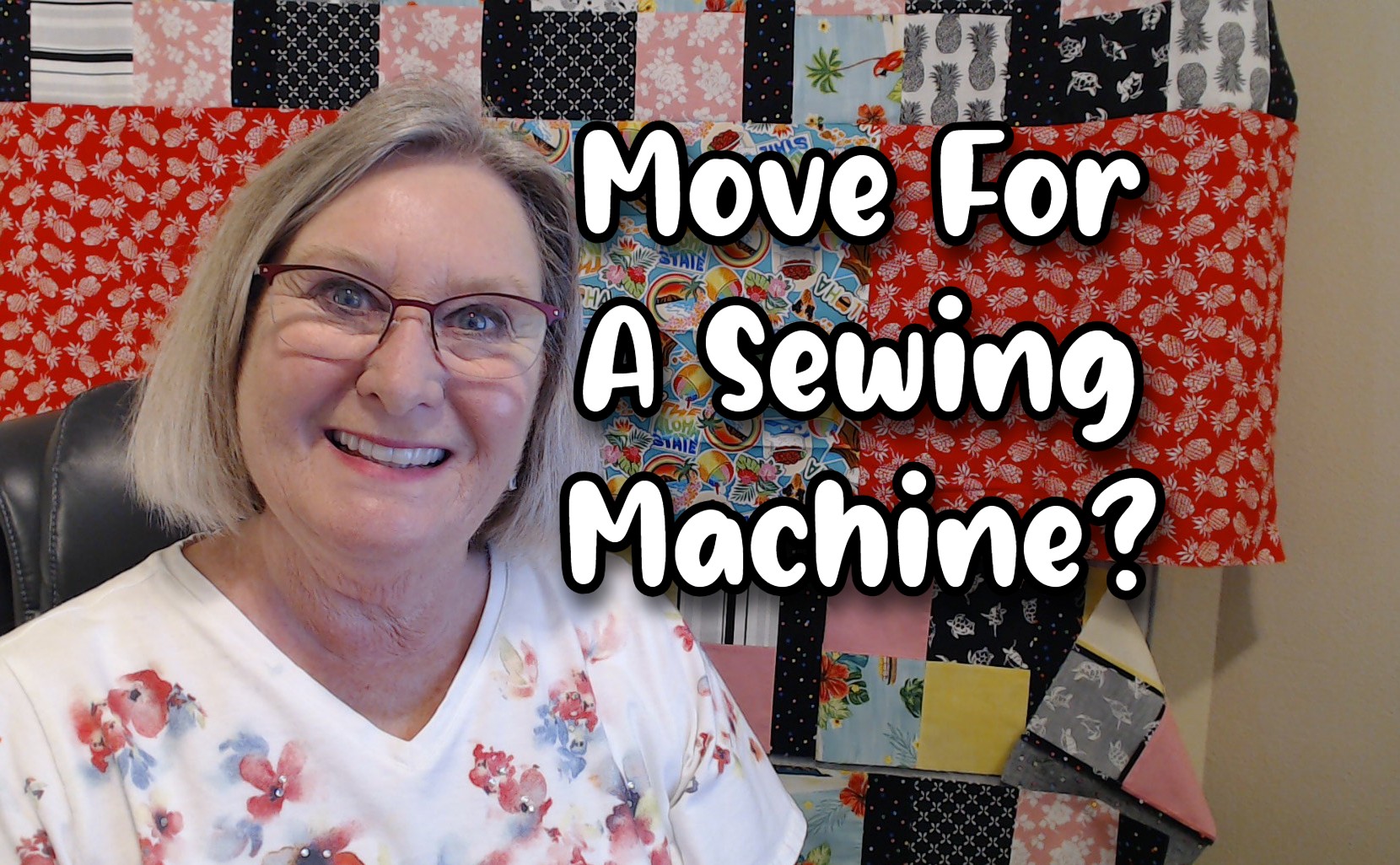
Another challenge has been realizing that where you live matters. My husband and I are in the process of moving—not just for a change of scene, but to put me closer to potential customers, resources, and suppliers. The right location can make all the difference, whether your hobby is making leather goods for horse enthusiasts or something entirely different. Being near your market and resources can cut costs and make running your business easier.
I’ve even considered the possibility that my home shouldn’t house my hobby that produces a supplemental income in retirement. It might be more cost effective to rent space than to size up my home. I might even size down my home if I take my hobby out of it. This might be the best way to turn it into the goal.
The Slow Start and What’s Next
Right now, things are moving slowly. We’re preparing our house to sell, planning our move, and I’m still learning to use all this new equipment. My new YouTube channel and website aren’t even launched yet—I’m still at the foundational stage. But I wanted to start sharing my story now, in real time, so you can see all the steps and stumbles along the way.
To be honest, I’ve taken steps forward a little prematurely and the steps I should’ve taken are catching up. For example, I probably should’ve moved before buying the equipment that’ll cost me extra to move. On the other hand, now I have a better idea how much space I need when looking for a new place. I didn’t know the equipment needed as much space as it does!
Final Thoughts and Invitation
If you’re thinking about turning your own hobby into a source of retirement income, know that you’re not alone in facing uncertainty and challenges. The journey requires patience, investment, and a willingness to keep learning. I’ll continue to share updates, lessons learned, and honest reflections as I go.
If you have questions or want to share your own experiences, I invite you to reach out. Let’s support each other in making retirement not only enjoyable but productive and maybe even a bit profitable.
Thanks for reading, and happy New Year! Stay tuned for more on Plan G for Me.